{about}
Hello, I'm Daina
I spent part of college volunteering at a hospice. I washed hair and helped patients feel comfortable. We talked. Sometimes about baseball, which I don’t follow, but that didn’t really matter.
People there were receiving extraordinary care, but sometimes what they needed most was someone to listen and help them understand what was happening. I thought I wanted to be a doctor, but my time in the hospice made me realize that information and community are a kind of medicine too.
So I went to library school instead. I started collaborating with scientists in data-intensive settings, got a second master’s in Data Science so I could better support their work, and eventually left academia to become a Data Scientist myself. The roles have changed, but the work has always been about recognizing who or what’s missing and building something in response.
As a librarian I worked to amplify the contributions of astronomers whose work was being overlooked. Women whose 19th century calculations are still shaping contemporary science never got credit for their work. Developers who write the software their fields depend on couldn’t build careers on their uncited code. I spent years building infrastructure on both fronts.
My approach to developer relations is similar: listen to developers, identify what’s in their way, advocate for what they need, and build the resources that clear the path.
With Found in the {Machine}, my narrative podcast, I go back further to surface the forgotten people, decisions, and accidents that quietly shaped the digital world. With the book I’m co-authoring, I’m elevating the people who gave us our current understanding of the Universe.
Beyond the Work
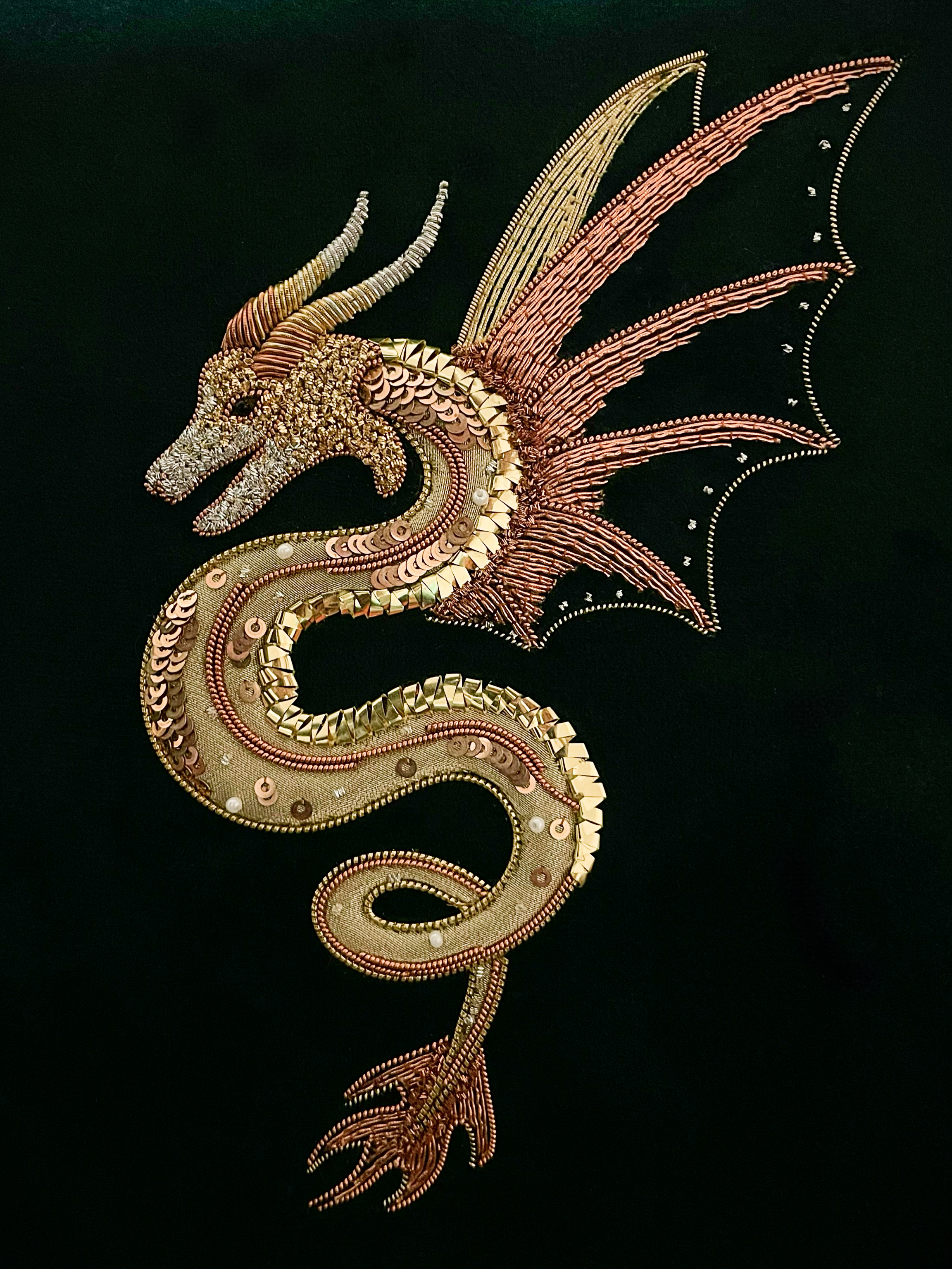
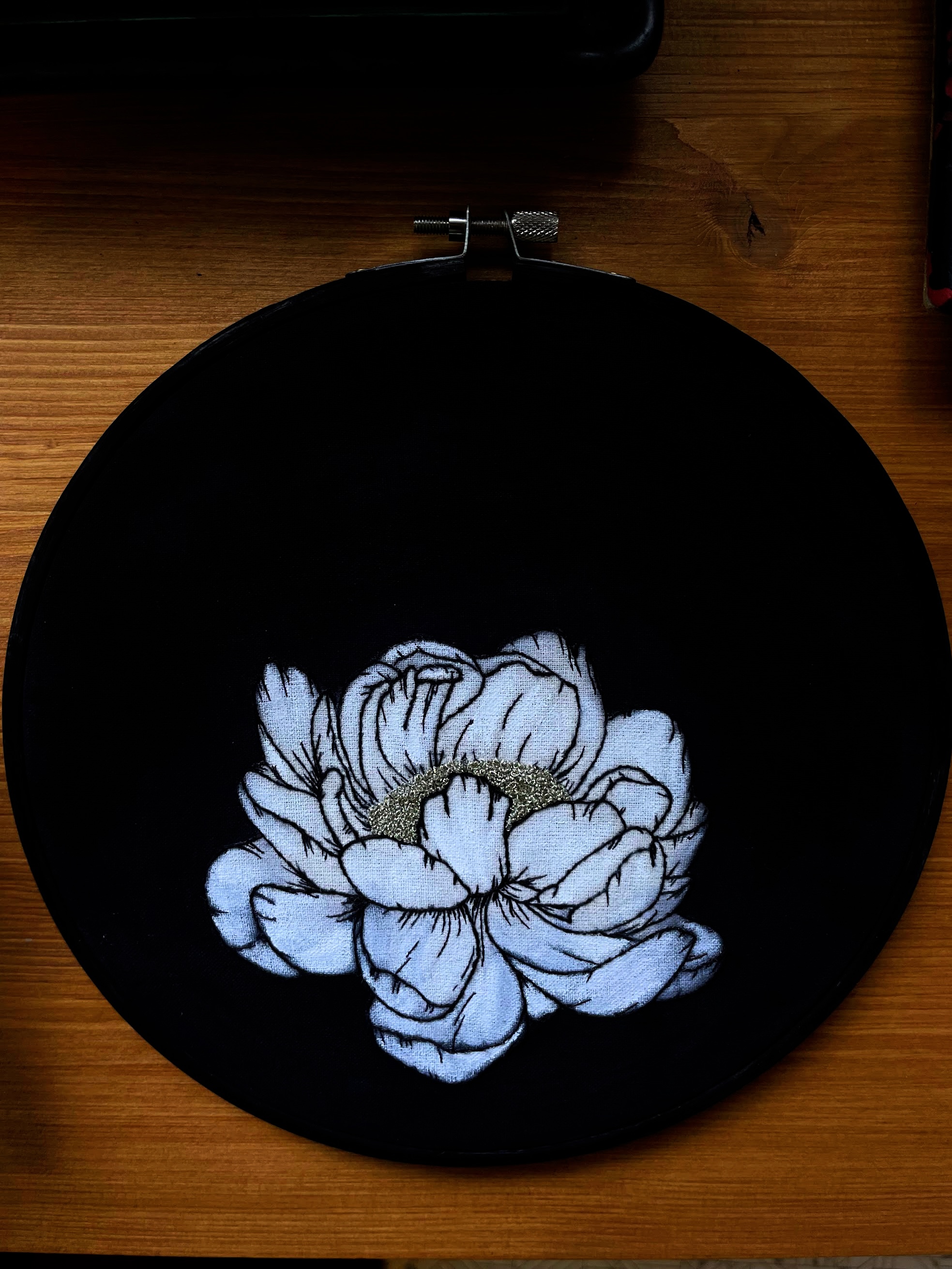
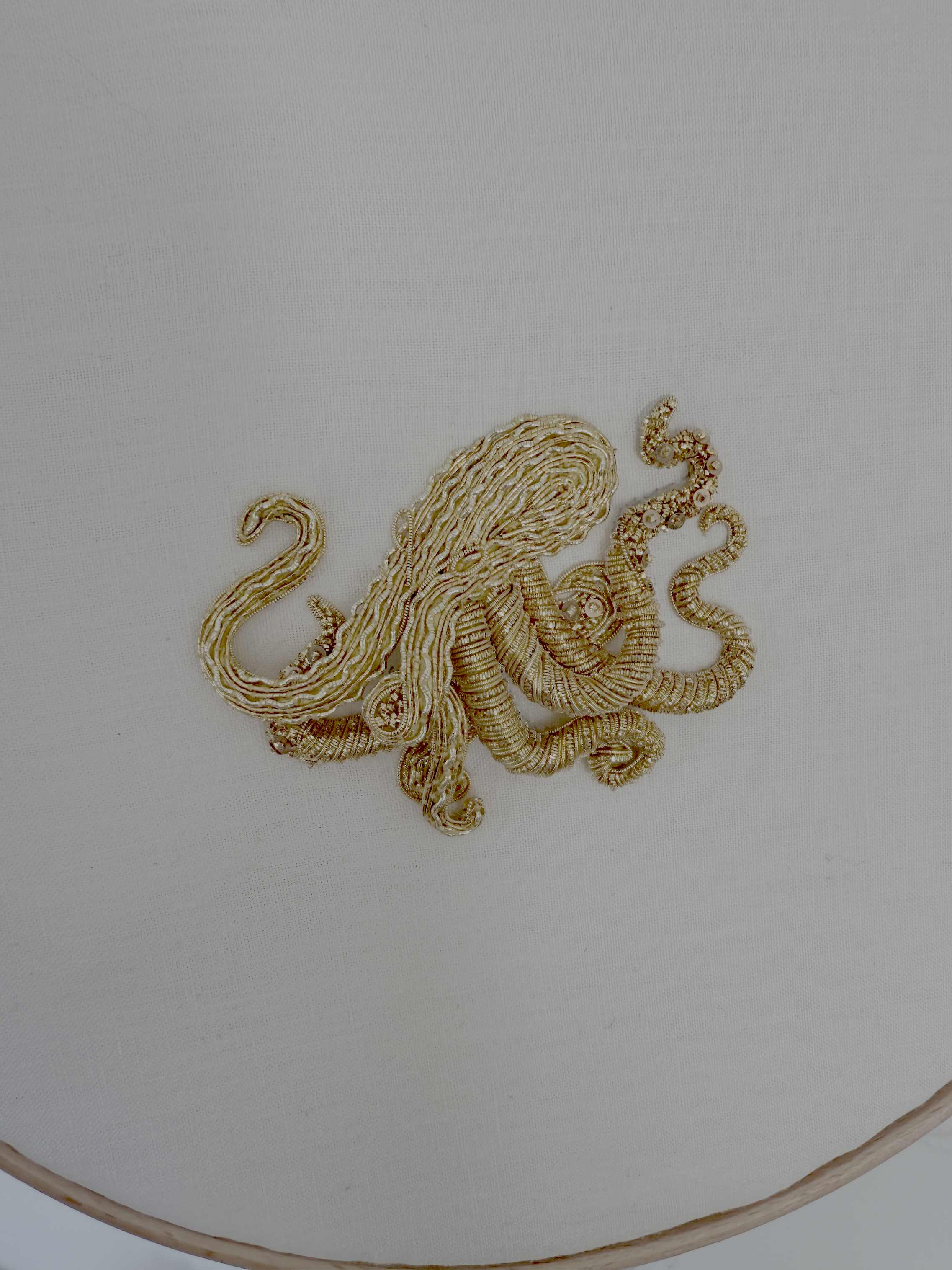
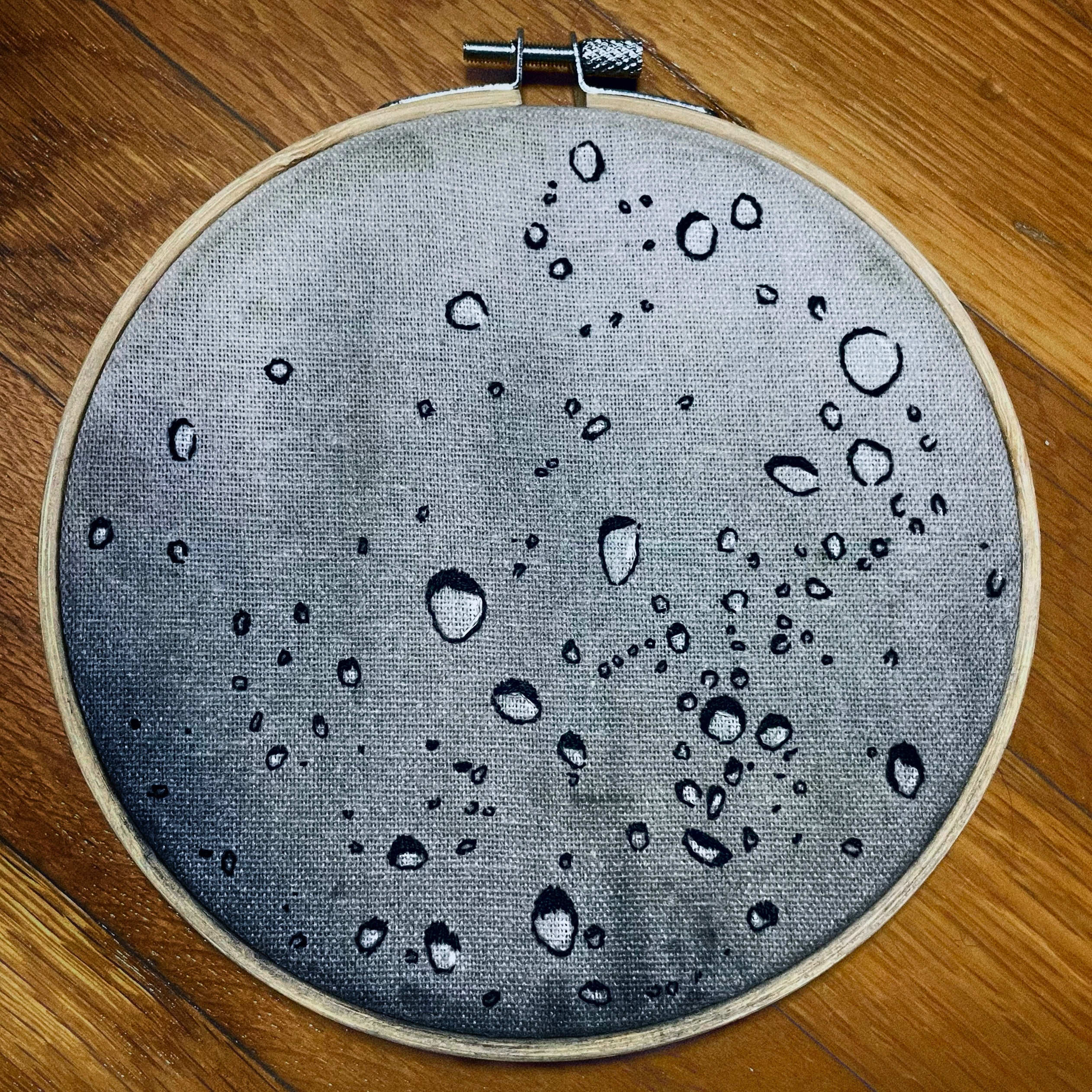
I’m a hand embroidery artist with a particular love for goldwork. I also love open water swimming and being outside. Originally from the Buffalo Southtowns, I now live in the Berkshires with my family, two blind cats, and some fish.